
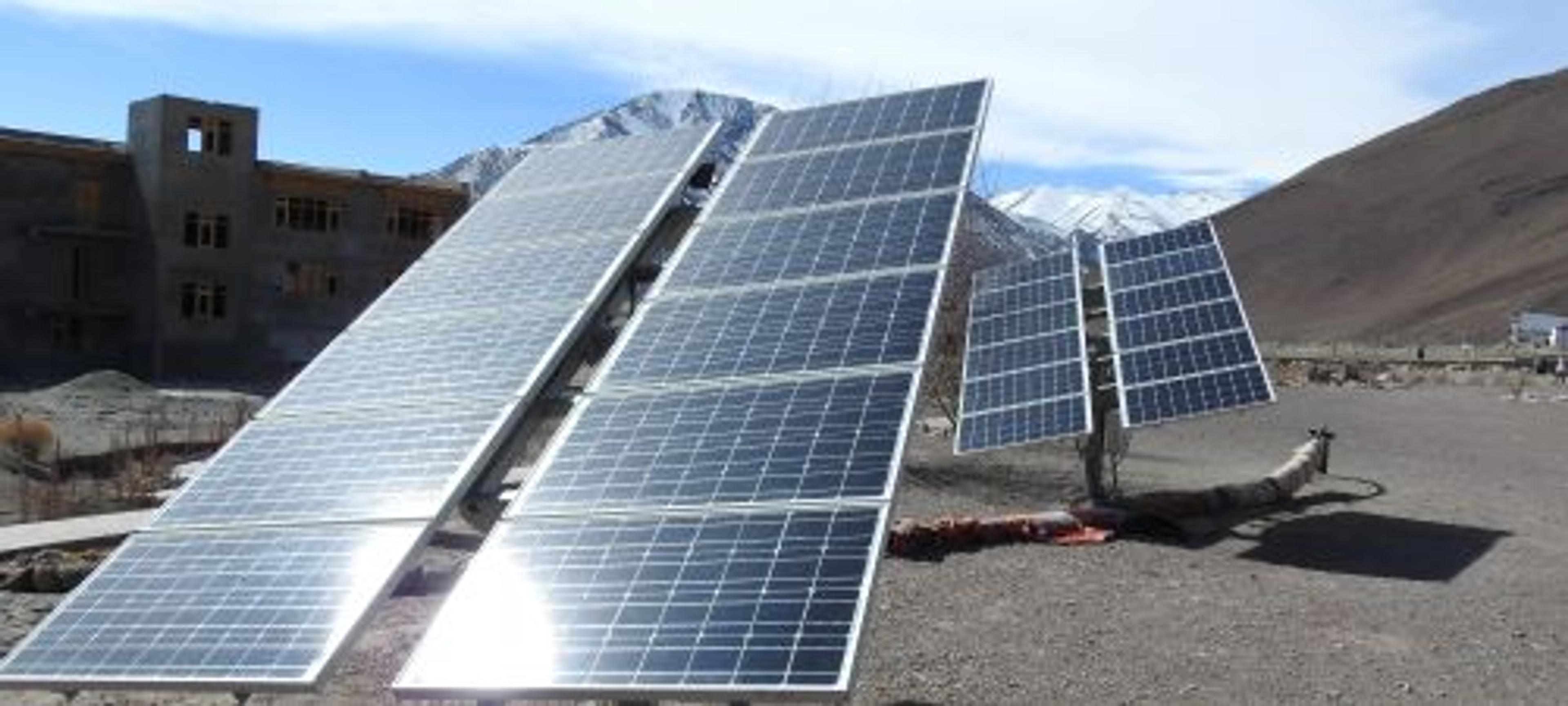
Upgrading health, sanitation, and living conditions for school children through passive solar bathrooms, solar water heaters, and clean energy solutions in Ladakh.
Introduction
The School Solar Project was implemented between 2022 and 2024 to improve living conditions in remote school hostels across Ladakh. Many schools face challenges related to reliable electricity, hot water supply, and adequate sanitation, especially during the long winter months. The project introduced renewable energy solutions and complementary infrastructure to improve the wellbeing of students and staff while reducing dependence on conventional energy sources. The initiative supported 17 schools and hostels across Ladakh and directly benefited 1,582 people, including 1,485 students and 97 staff members.
Project Activities
The project combined renewable energy technologies with improvements to water supply, sanitation, food storage, and hostel infrastructure.
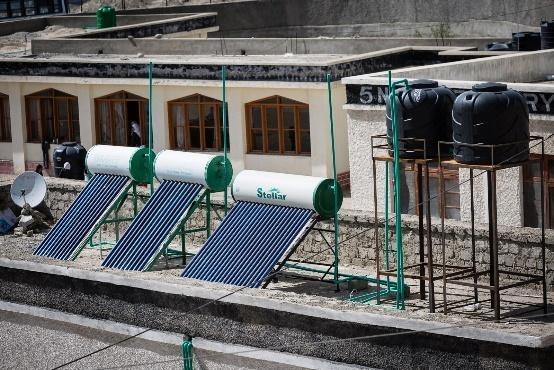
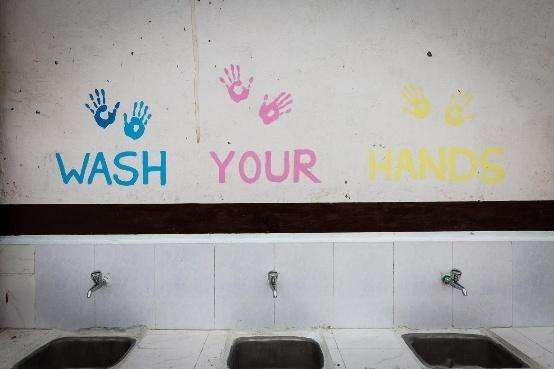
Solar energy systems were installed to provide electricity and hot water in selected schools. This included the installation of solar panels, solar-powered submersible water pumps, and solar water heating systems. To ensure reliable water access throughout the year, the project also established 6,400 litres of insulated cold-water storage and 8,000 litres of insulated hot-water storage.To improve sanitation and hygiene, six passive solar bathrooms were constructed and 22 existing bathrooms were repaired or upgraded. These facilities provided improved access to hot and cold running water and helped create better hygiene conditions for students living in hostels.
The School Solar project connected with the School Greenhouse project also supported food security measures that complemented the renewable energy installations. Across the participating schools, 16 solar greenhouses, 16 compost pits, and 15 vegetable storage cellars were established. In addition, schools received 79 FIFO food storage bins, 64 steel storage containers, 36 dust bins, and 16 greenhouse tool sets to improve food storage, hygiene, and greenhouse management.
Results and Achievements
The project significantly improved access to basic services in participating schools. Reliable solar-powered systems reduced dependence on expensive and often unreliable energy sources while providing electricity and hot water for daily use.
The installation of solar water heaters, insulated storage tanks, and water pumping systems improved water availability throughout the year. At the same time, the construction and upgrading of bathroom facilities strengthened hygiene and sanitation conditions for students and staff.
The project also supported healthier school environments through improved food production and storage systems. Greenhouses and vegetable cellars helped schools produce and preserve vegetables locally, while upgraded storage facilities improved food management and reduced waste.
Beyond the physical infrastructure, the project served as a practical demonstration of renewable energy solutions in remote mountain communities. Students and staff gained direct exposure to sustainable technologies and their practical applications in daily life.
Example: Government Higher Secondary School and Residential Hostel, Khaltse
Among the schools supported by the project was Government Higher Secondary School and Residential Hostel Khaltse, located approximately 100 km west of Leh. The hostel accommodates 114 students and 9 staff members.
The project supported Khaltse through a combination of renewable energy, sanitation, and food security measures. Food storage and kitchen facilities were upgraded through the construction of a vegetable cellar and the provision of storage equipment, including FIFO food bins and steel containers. Staff also received training on food safety and hygiene.
The solar energy component included the installation of solar water heaters with a total capacity of 2,700 litres, insulated water storage tanks with a total capacity of 3,000 litres, a 7.5 hp solar-powered submersible pump, and a 7.5 kV solar panel system. In addition, 18 bathrooms were repaired and connected to hot and cold running water.
The Khaltse intervention illustrates how integrated renewable energy and infrastructure solutions can improve hygiene, water access, food security, and overall living conditions in school hostels.
Conclusion
The School Solar Project demonstrated how renewable energy technologies can improve living and learning conditions in remote Himalayan schools. By combining solar electricity, solar water heating, water supply systems, sanitation improvements, and food security measures, the project addressed several challenges faced by students living in boarding hostels.
Reaching 1,582 people across 17 schools and hostels, the initiative created lasting improvements in energy access, hygiene, water availability, and food management. The project provides a practical example of how climate-friendly technologies can strengthen both education and community resilience in remote mountain regions.
Acknowledgement
LEHO gratefully acknowledges the support of the GoodPlanet Foundation, Stop Hunger, HOKA, Sodexo, and other partners, whose contributions made the implementation of the School Solar Project possible. Their support helped improve access to clean energy, reliable water supply, and better sanitation facilities for students living in remote school hostels across Ladakh.
