
Community-Led Development
Empower local stakeholders to lead and sustain development initiatives.
Who we are
A message from our president
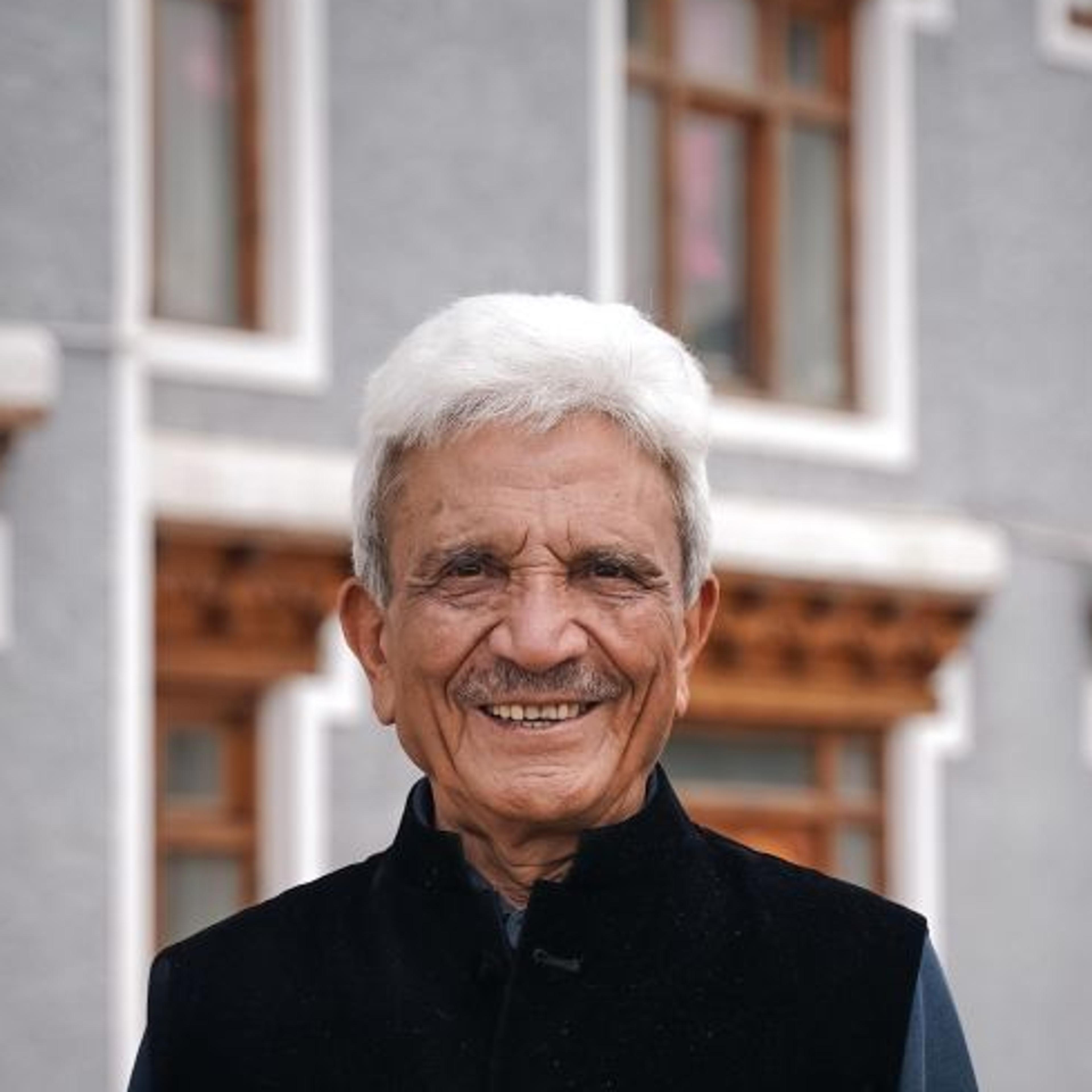
When LEHO began its journey on 1 July 1991, Ladakh was already changing — its farming practices, its food habits, the values holding its communities together. We knew then that sustainable development couldn't be borrowed from elsewhere; it had to be rooted in Ladakh's own traditional wisdom and the strength of its people. Over three decades later, that belief still guides everything we do — from supporting ecological farming and organic food systems, to bringing solar energy and greenhouses to our schools, to standing beside the artisans and homestay families who keep our culture alive.
Today, the challenges have grown sharper. Glacial retreat, erratic weather, and water scarcity threaten the very resources our communities depend on. But so has our resolve. We remain committed to building self-reliant villages and towns where ecological stewardship and cultural heritage move forward together, not apart. None of this work happens alone — it takes our staff, our volunteers, our partner organizations, and above all, the communities of Ladakh themselves, walking this path with us.
On behalf of LEHO, thank you for being part of that journey.
Mohammed DeenPresident, LEHO
The reason we work
Established on 1 July 1991, LEHO was born out of a deep concern for the ecological, agricultural, and cultural shifts impacting Ladakh. In response to changing farming practices, food habits, and social values, LEHO set out to promote sustainable development rooted in Ladakh's traditional wisdom and community strength.
Our mission is to foster ecological sustainability, community health, and climate resilience by promoting the holistic and integrated use of natural resources — land, water, vegetation, and livestock — while respecting Ladakh's rich cultural heritage. We recognize the growing threats of climate change, including glacial retreat, erratic weather patterns, water scarcity, and biodiversity loss, which pose serious risks to the region's fragile ecosystems and livelihoods.
Looking ahead
Sustainable, self-reliant communities across Ladakh's villages and towns — built on community-led development and local, renewable resources. LEHO envisions a future where ecological stewardship, cultural heritage, and climate resilience go hand in hand, empowering people to thrive through regenerative practices rooted in Ladakh's environment and traditions.
Six commitments
Empower local stakeholders to lead and sustain development initiatives.
Promote conservation and regenerative use of land, water, vegetation, and livestock.
Integrate adaptive strategies to mitigate climate change impacts and safeguard livelihoods.
Revive and celebrate Ladakh's traditional knowledge, values, and practices.
Inspire and equip young people to become stewards of sustainability and mental well being.
Foster partnerships across government, NGOs, academia, and communities for inclusive progress.
Eight strategic goals
Sustain and enhance Ladakh's ecological farming systems, which form the backbone of the region's economy and cultural identity.
Raise awareness on key health issues, emphasizing environmental hygiene, nutrition, and preventive measures against substance abuse, smoking, alcoholism, and pollution.
Actively promote afforestation, biodiversity conservation, and ecological restoration to safeguard Ladakh's fragile ecosystem.
Facilitate the sharing of experiences, innovations, and traditional wisdom among diverse communities and stakeholder groups.
Practice, preserve, and refine time-tested, environmentally friendly indigenous knowledge and technologies for sustainable living.
Encourage and protect the rich diversity of Ladakhi culture, traditions, and languages as vital pillars of community resilience.
Promote equal opportunities and justice across genders, fostering inclusive participation in all spheres of development.
Strengthen LEHO's institutional capacity and resource base to ensure long-term sustainability and impact.
The people behind the work
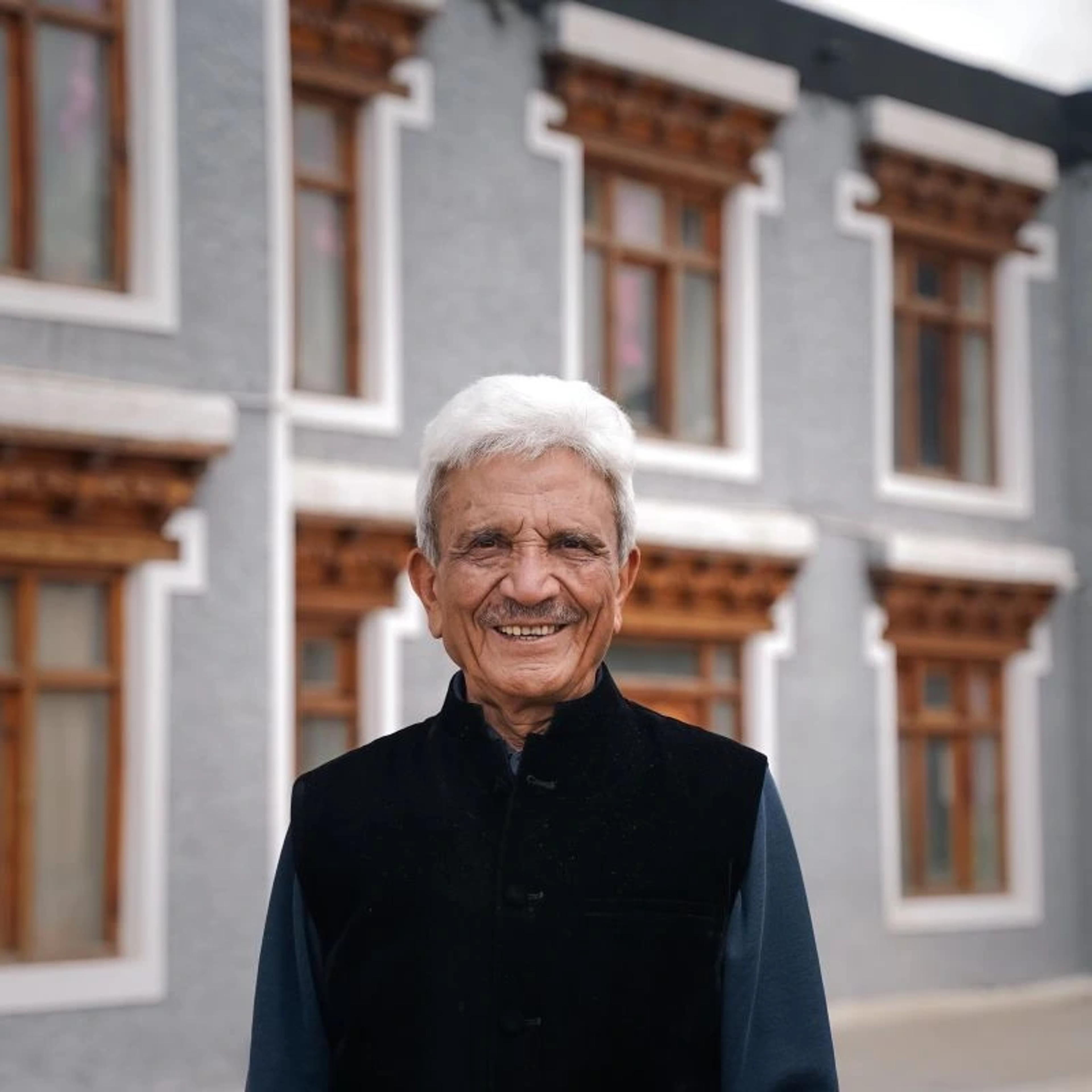
President
A retired IAS officer and former Secretary of the J&K State Finance Commission, Dr. Deen founded LEHO in 1991 and has led it ever since — championing organic farming, responsible ecotourism, and passive solar building design across Ladakh.
Spoken Languages: Ladakhi, English, Hindi
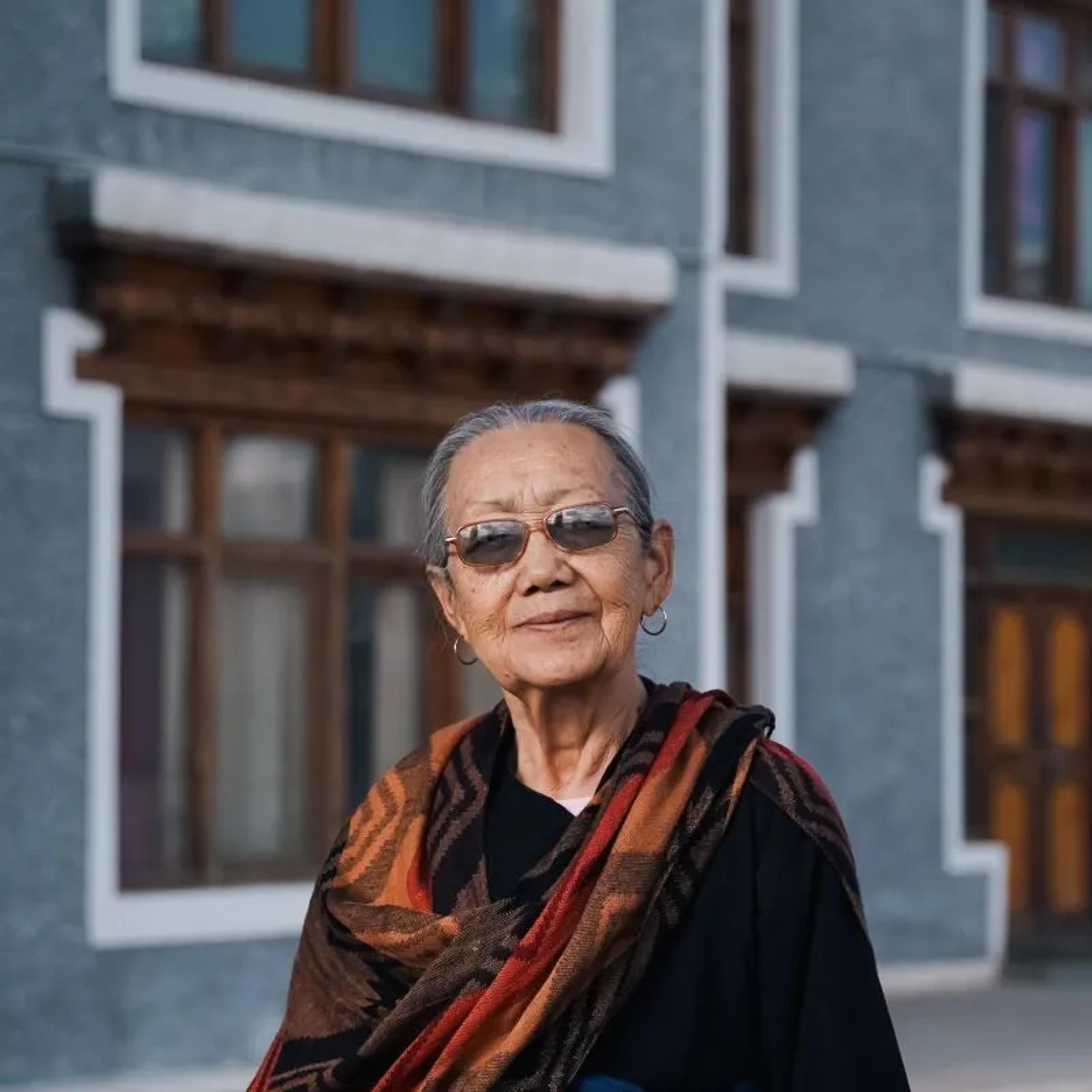
Director
Razia Sultana serves as Director at LEHO, helping lead the organization's work in sustainable development and responsible ecotourism across Ladakh, connecting visitors and local communities to promote authentic, low-impact travel that supports rural livelihoods.
Spoken Languages: Ladakhi, English, Hindi
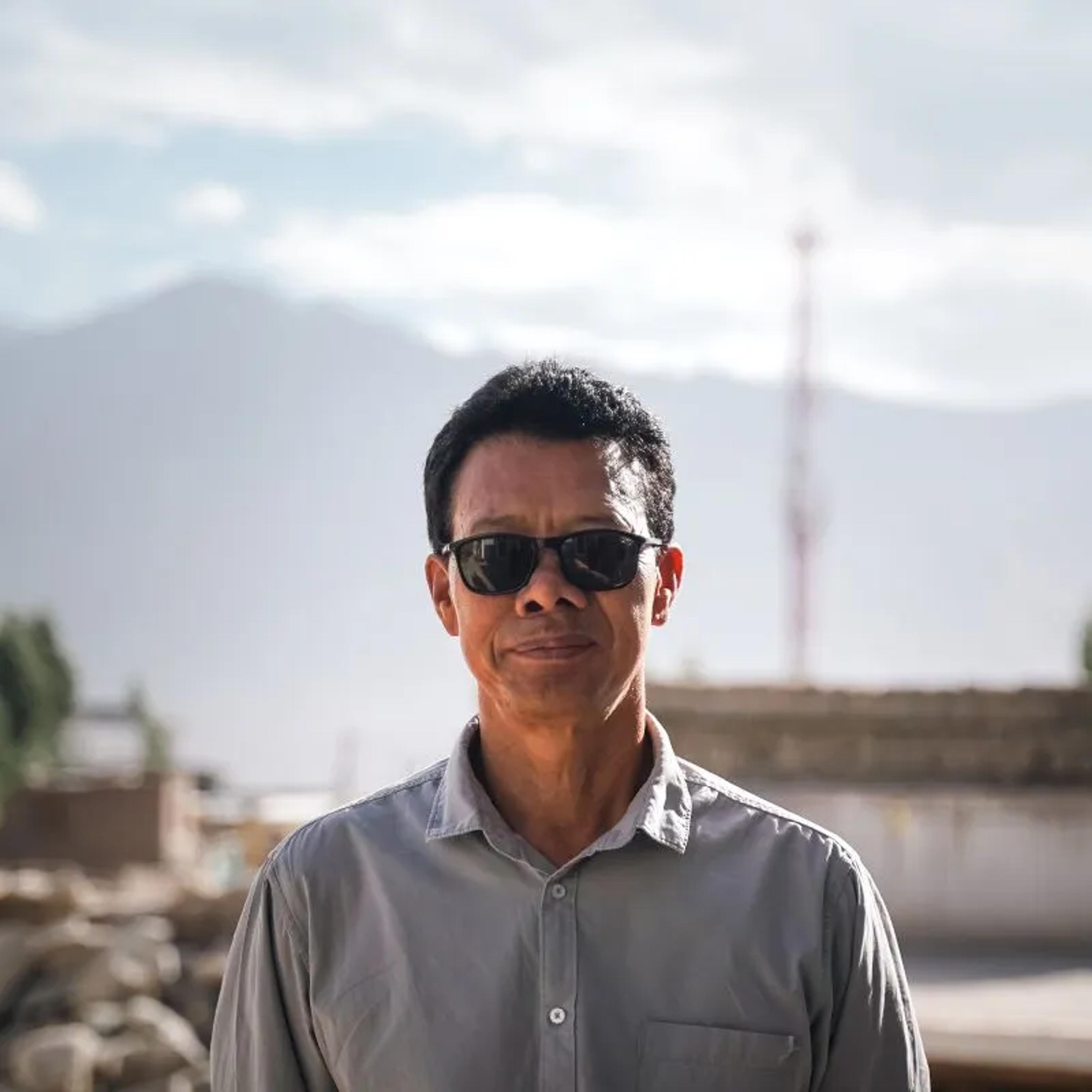
Deputy Director
Tashi Thokmat has been with LEHO since 1993, bringing 33 years of practical experience in grassroots development work. Driven by a strong commitment to social work, he has led and contributed to a wide range of LEHO's flagship initiatives in Ladakh — including organic farming, solar building design, greenhouse construction, women's empowerment programs, and artificial glacier construction for water conservation. His professional exposure spans India, Sweden, Japan, Brazil, and Bhutan, bringing a global perspective to LEHO's community-rooted work.
Spoken Languages: Ladakhi, English, Hindi
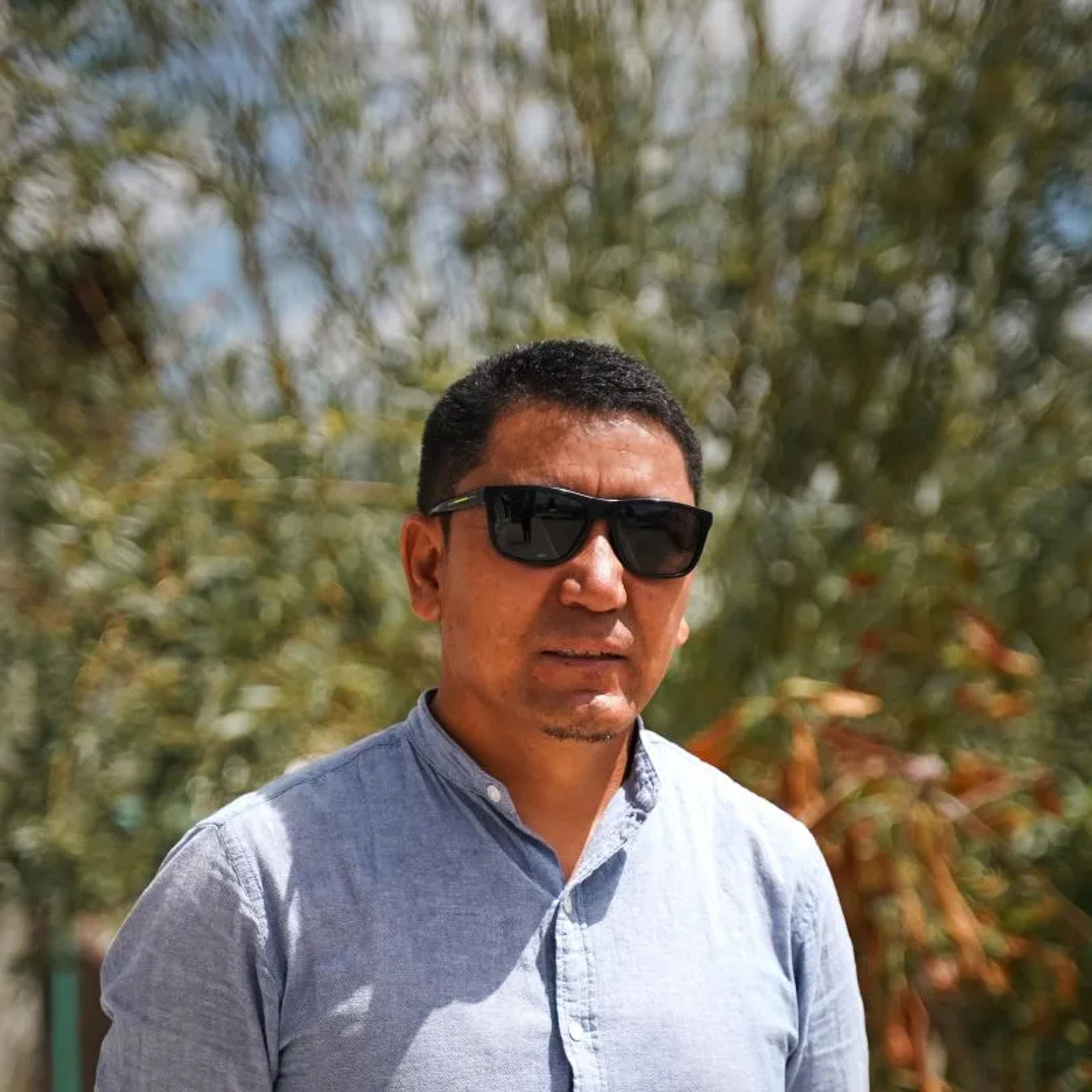
Field Officer
Tsewang Tharchin has served as LEHO's Field Officer since June 2007. Hailing from a remote village in Leh district, he brings firsthand understanding of rural Ladakhi life to his role as a vital link between LEHO and the villagers it works with — coordinating on-the-ground project execution and conducting village-level training sessions. His work spans passive solar building construction, ecotourism development, and school solar energy projects.
Spoken Languages: Ladakhi, English, Hindi
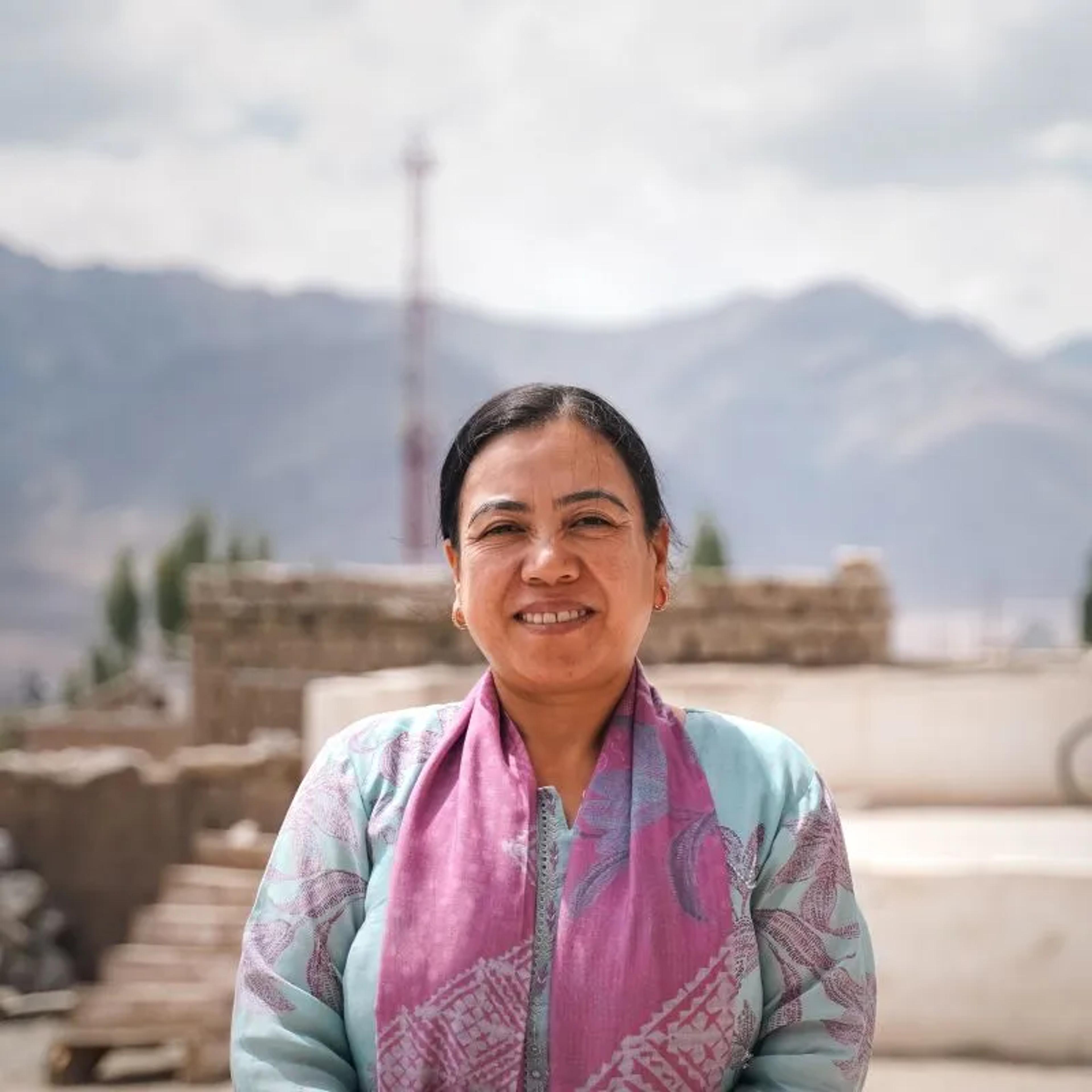
Accountant
Rukshana Praveen has managed LEHO's accounts since September 1999. With a background in office accounting, she maintains the organization's financial records and supports the day-to-day administrative operations that keep LEHO's programs running smoothly.
Spoken Languages: Ladakhi, English, Hindi
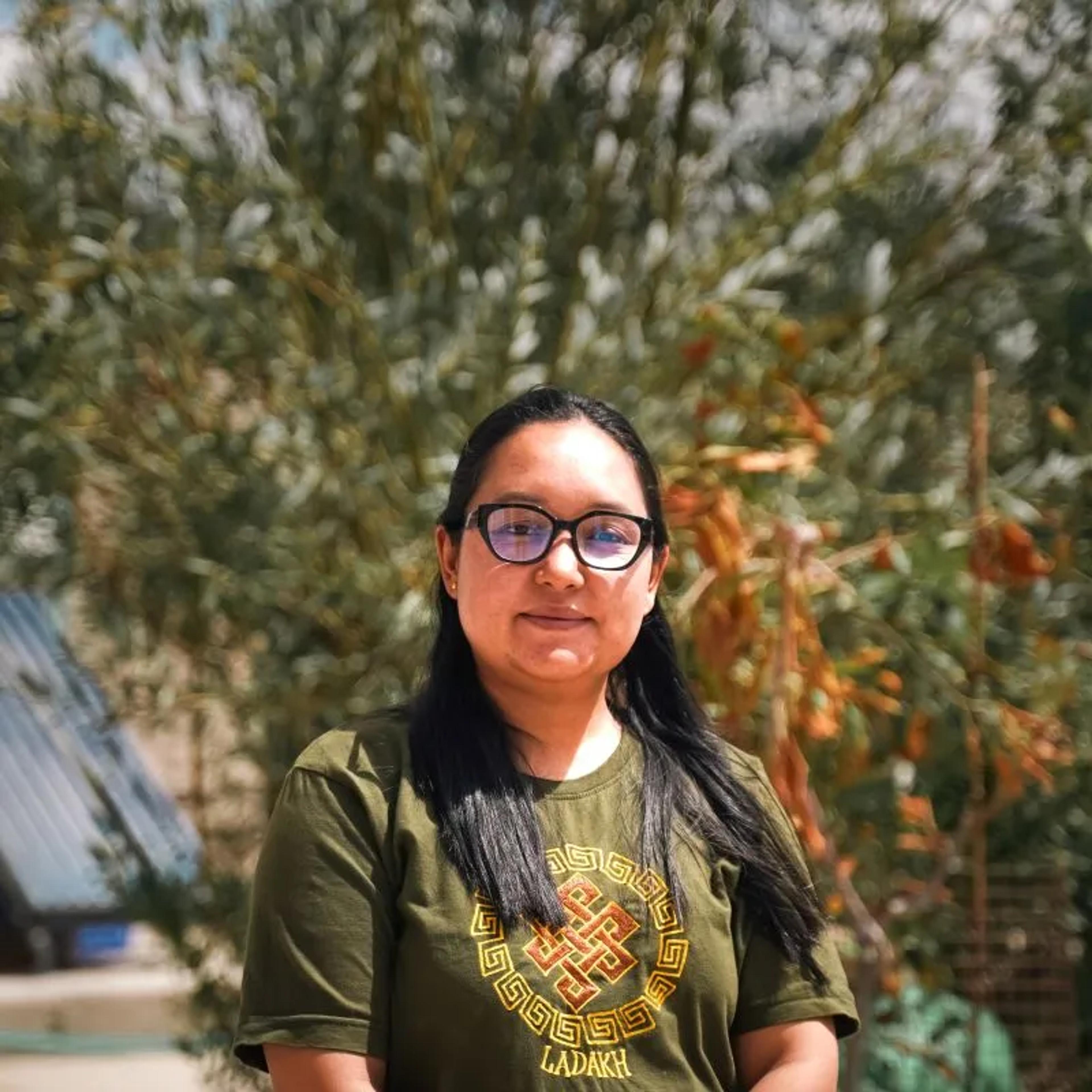
Account Assistant
Stanzin Nudol joined LEHO in October 2010 as a Handicraft Coordinator. Originally from Nubra Valley and educated in the arts stream, she brought a strong understanding of traditional craft practices to her early work with LEHO. Since 2019, she has been assisting in the accounts section, supporting the organization's day-to-day financial operations.
Spoken Languages: Ladakhi, English, Hindi
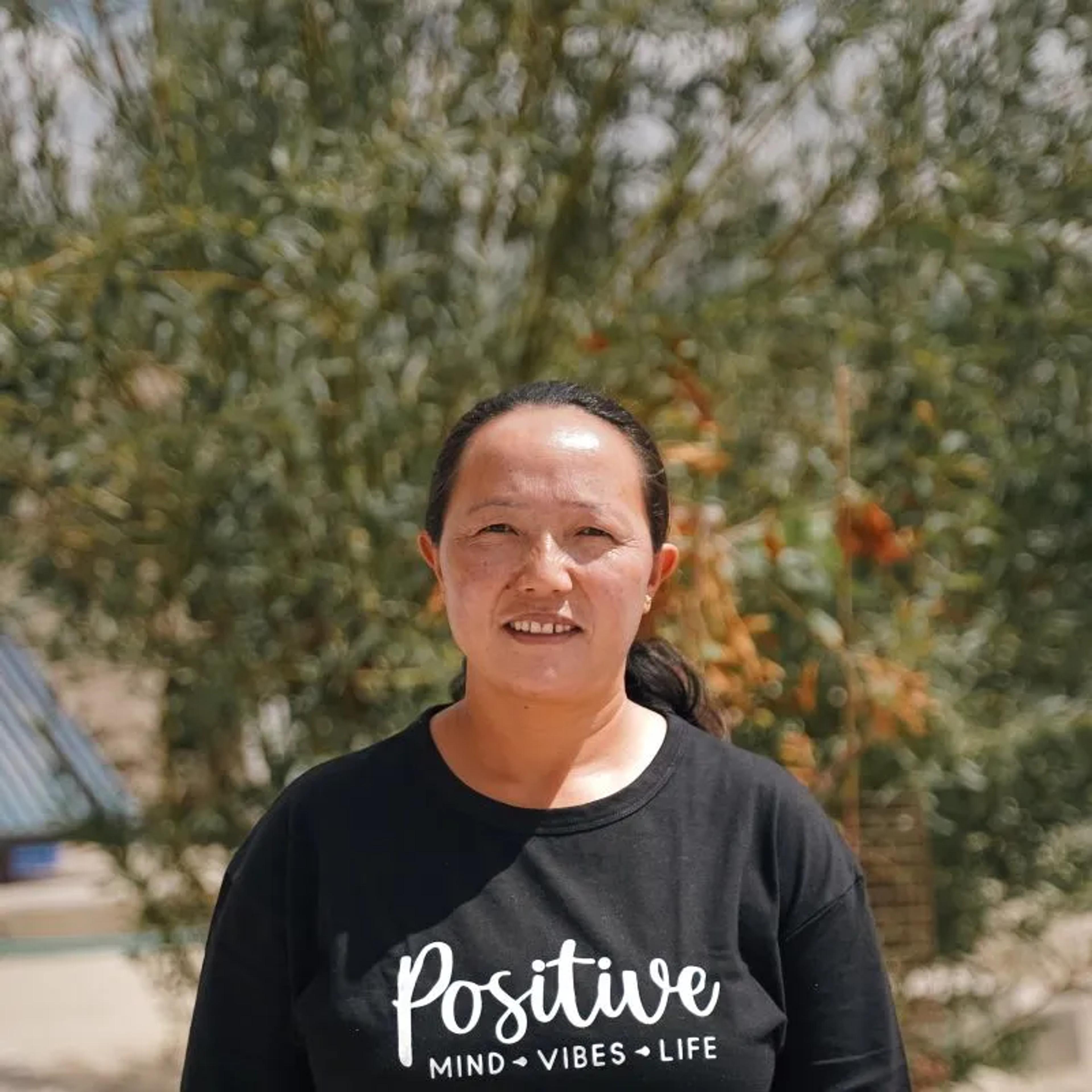
Office Assistant
Nawang Chuskit has been with LEHO since September 2009. Originally from Sham Urbis village, she is responsible for maintaining the office building and its facilities, as well as managing office materials and equipment — keeping LEHO's day-to-day operations running smoothly.
Spoken Languages: Ladakhi, English, Hindi
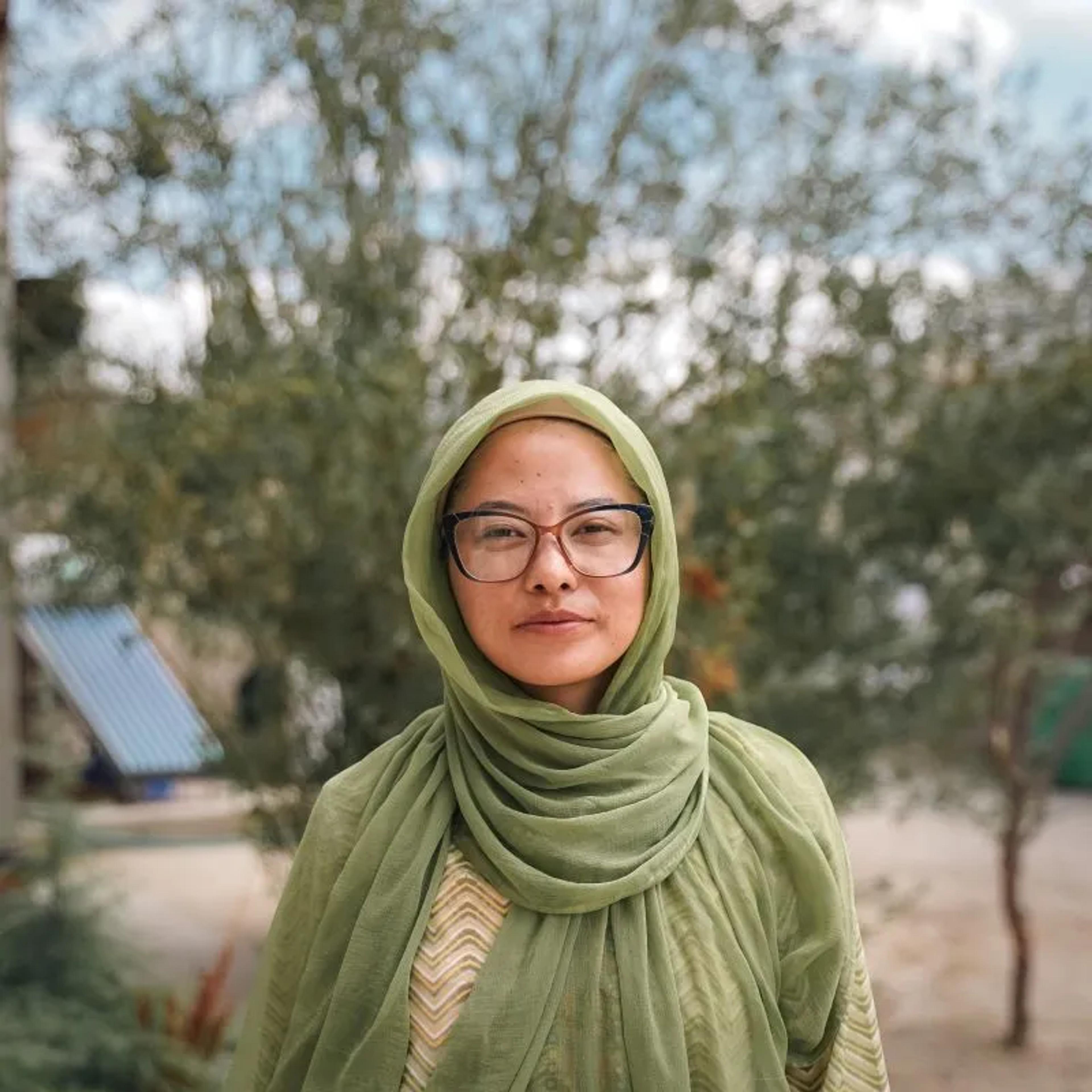
Assistant Project Manager
Nazia Bano joined LEHO in February 2026. She holds a Bachelor's degree in Arts along with a diploma in Computer Programming from ITI Leh. She manages the Hello Ladakh project — a cooperative portal for homestay bookings — overseeing homestay promotion, and maintaining ongoing communication and coordination with homestay owners across Ladakh.
Spoken Languages: Ladakhi, English, Hindi