Enhancing living conditions through passive solar housing, local capacity building, and climate change adaptation in the Indian Himalayas.
Background and Context
Between 2008 and 2012, GERES and its local partner organizations LEDeG, LEHO, LNP, SECMOL and Ecosphere implemented a comprehensive development program across the high-altitude regions of Ladakh, Lahaul, Spiti and Kinnaur. Working in some of the world's most challenging mountain environments, the project addressed the connected problems of energy poverty, harsh climatic conditions, environmental degradation and limited economic opportunities. Situated at elevations ranging from 2,400 to 4,800 meters above sea level, these regions experience long winters, rare natural resources and temperatures that can fall below -30°C, creating significant challenges for local communities.
Energy-Efficient Housing Solutions
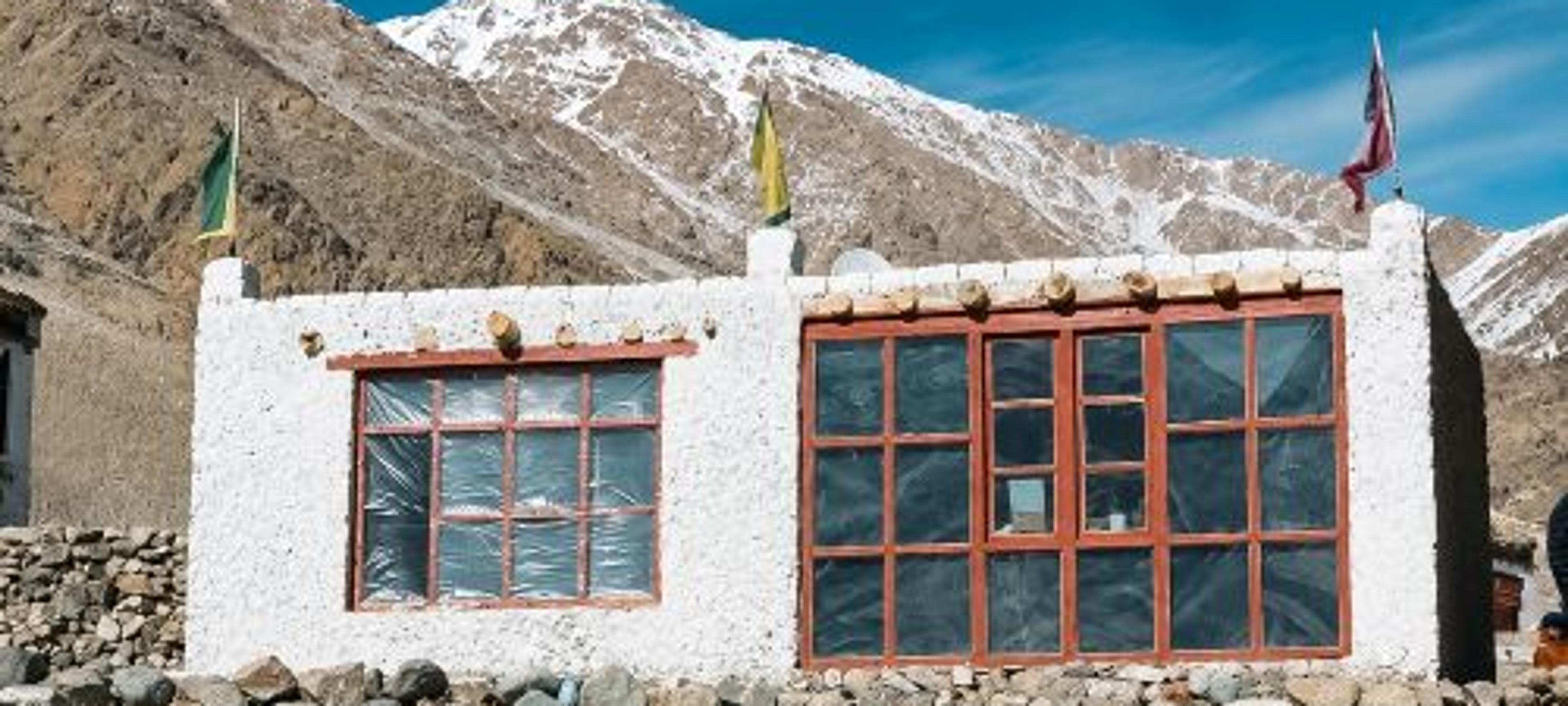
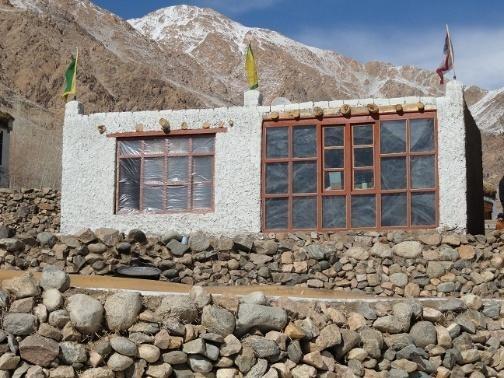
At the heart of the initiative was the promotion of Low Energy Consumption (LEC) buildings. Combining traditional Himalayan construction methods with improved insulation and passive solar design, the project enabled families to heat their homes more efficiently while reducing their dependence on increasingly rare fuel resources. During the program, 1,004 households benefited from energy-efficient construction or renovation measures, while an additional 30 community buildings were upgraded using climate-responsive technologies. To ensure long-term sustainability, 237 local masons and carpenters received technical training, and 93 professionals were certified as specialized LEC builders capable of continuing the work independently after the project's completion.
How Passive Solar Houses Work
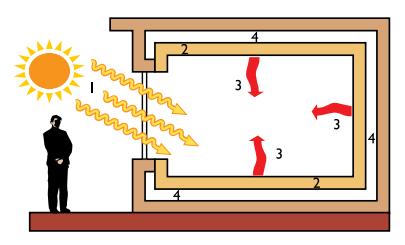
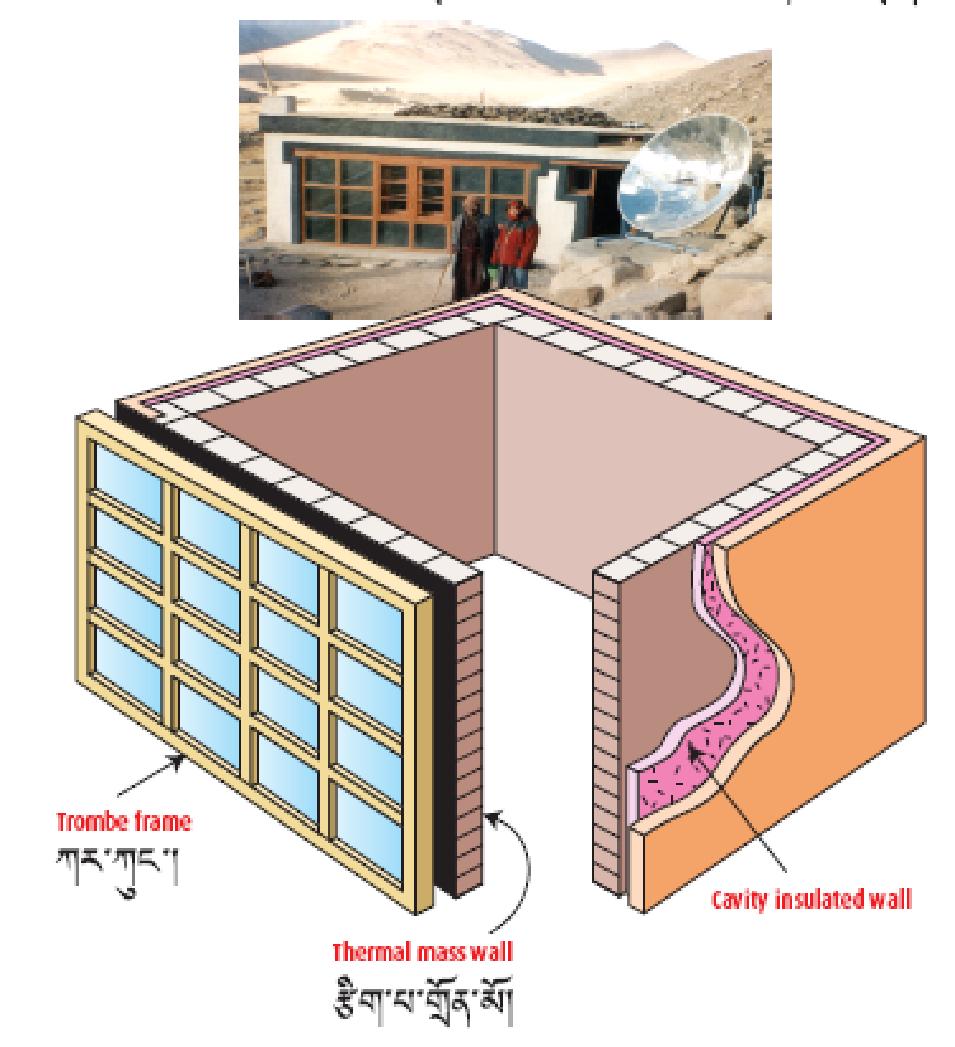
The energy-efficient houses promoted under the project are based on the principles of passive solar architecture. Instead of relying on expensive heating systems, these buildings are designed to capture, store and retain the sun's energy. Large south-facing windows, solar walls or attached greenhouses collect solar radiation during the day. The heat is then absorbed by walls and floors with high thermal mass, which store the energy and gradually release it throughout the night. Careful insulation of windows, walls, roofs and floors prevents heat loss and helps maintain comfortable indoor temperatures, even when outdoor temperatures fall below -20°C.
Improved Living Conditions and Health Benefits
The results were remarkable. Households reduced their winter fuel consumption by between 54 and 67 percent, generating significant financial savings and reducing pressure on local natural resources. In many cases, indoor temperatures remained above 5°C even without active heating, creating a healthier and more comfortable living environment during the cold season. Families reported lower heating costs, improved living conditions and better educational opportunities for children, who were able to study more effectively in warmer homes. Reduced indoor smoke pollution also contributed to improved respiratory health, particularly among women, children and elderly family members.
Livelihood Development and Economic Opportunities
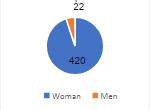
Beyond housing improvements, the project aimed to improve local livelihoods and support economic development. The project supported 34 Self-Help Groups and 33 individual artisans, reaching a total of 453 craftspeople. Most participants were women, reflecting the project's strong focus on supporting women's livelihoods and economic empowerment. New sales channels were established through 49 handicraft outlets, while extensive capacity-building programs helped participants improve product quality, business management skills and market access. As a result, production levels more than doubled and winter incomes increased by approximately 99 to 112 percent, providing families with additional financial security during the most difficult months of the year.
Climate Change Adaptation and Awareness
Climate change adaptation and environmental protection formed another important component of the program. Research conducted during the initiative highlighted rising temperatures, changing snowfall patterns and increasing pressure on local water resources throughout the western Himalayas. In response, the project promoted awareness of climate challenges while supporting practical adaptation measures, including innovative approaches to water storage and resource management. Through educational campaigns, school programs, media outreach and community engagement, nearly 936,000 people were reached with information on climate change, energy efficiency and sustainable development.
Environmental Impact
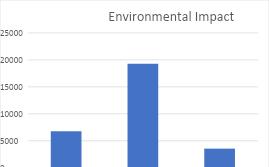
The environmental benefits of the project were equally significant. During the implementation period alone, approximately 6,752 tonnes of carbon dioxide emissions were avoided through reduced fuel consumption and improved energy performance. Long-term projections estimate total emission reductions of more than 19,000 tonnes of CO₂, while around 3,544 tonnes of biomass fuel were saved. At the same time, environmental education programs engaged 93 schools, 591 teachers and nearly 7,000 students, helping to build awareness and responsibility among the next generation.
Building Lasting Local Capacity
One of the project's most valuable achievements was the creation of lasting local capacity. Across the region, 15 information centers and 16 community-based networks were established to continue sharing knowledge and promoting sustainable building practices. The project also contributed to the development of technical guidelines for energy-efficient public buildings, helping influence future policies and construction standards in mountain regions.
Partners
This successful initiative would not have been possible without the, expertise and commitment of many organizations, institutions and local communities. We extend our sincere gratitude to GERES (Group for Renewable Energy, Environment and Solidarity) for its vision, leadership and outstanding technical support throughout the project.Special thanks are also due to the partner organizations LEDeG, LNP, SECMOL and Ecosphere, whose close work with local communities and practical knowledge were essential to the project's success.
We also gratefully acknowledge the support of the European Union and all financial contributors and development partners whose investments made this initiative possible. Their commitment helped improve the lives of thousands of people by creating warmer homes, healthier living conditions, stronger local economies and greater resilience to climate change across the Indian Himalayas.