Focus on community-led homestays, conservation partnerships, and sustainable rural development to protect the fragile Himalayan ecosystem.
A Community-Based Approach to Sustainable Tourism
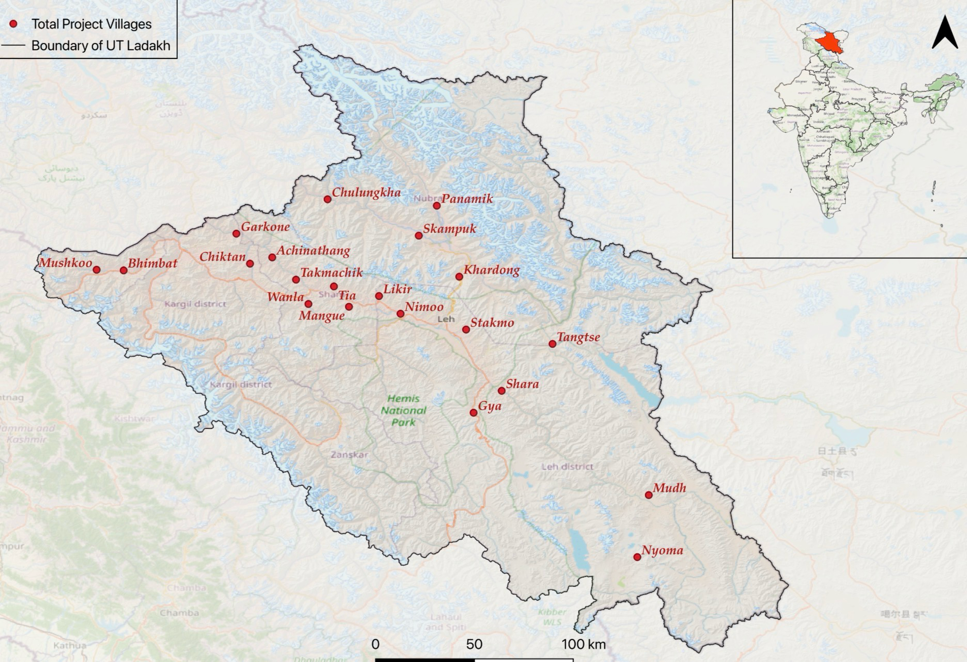
From August 2022 to July 2026, the Ladakh Environment and Health Organization (LEHO) worked with rural communities to develop a more sustainable and environmentally friendly form of tourism in Ladakh. Ecoselva e.V. and the German Federal Ministry for Economic Cooperation and Development (BMZ) supported the project. The main aim was to create new income opportunities for rural families while protecting the environment and strengthening local communities. The work built on a pilot project started in 2019 in Takmachik, Likir and Shara-Sharnos. Over four years, the initiative reached 21 villages, including 18 target villages and the three pilot villages. Tourism was connected with organic farming, women’s economic participation, youth engagement, cultural heritage, and environmental education.
189 Homestays and New Rural Income
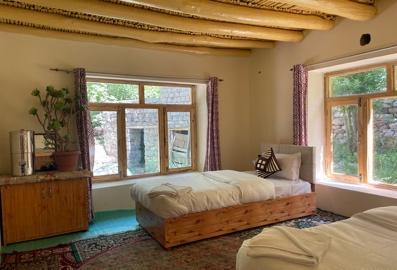
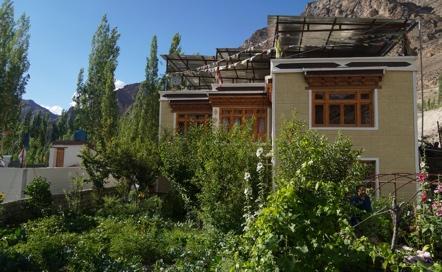
A major part of the project was the development of community-based homestays. In total, 189 homestays were improved. Together, they provide 756 licensed tourist beds. Homestay owners received training in hospitality, cooking, housekeeping and waste management. This helped families improve their services and create an additional source of income from tourism. Local ownership was also an important part of the approach. Each participating homestay owner contributed around INR 26,560 towards improvements. This investment helped strengthen responsibility for the long-term success.
Connecting Tourism with Organic Farming
The project also connected tourism with local food production. 235 organic kitchen gardens were established or supported across 21 villages, together with 20 vegetable nurseries. The gardens provide fresh vegetables for local families and homestays. They also help reduce dependence on food brought from outside Ladakh and create a stronger connection between tourism and local agriculture. In July 2026, natural farming training was organised in six villages: Takmachik, Achinathang, Tia, Tingmosgang, Domkhardho and Domkhargongma. 624 farmers participated, most of them women. They learned about natural farming methods such as Jeevamritha, Beejamrita and Agniastra. In addition, 120 heavy-duty 200-litre tanks were distributed to support farming activities.
Women and Young People Taking the Lead
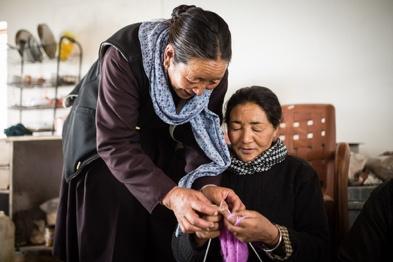
Women were an important part of the project. More than 315 women from 17 villages received training in traditional crafts, including felting, knitting and weaving. They produced local handicrafts such as felted snow leopard and ibex figures. Young people were also given new opportunities. 18 village youth coordinators were trained in tourism, guiding and local coordination. They can help connect visitors with village communities and local tourism services. The project further supported 15 community café and handicraft stalls and 3 heritage museums in Achinathang, Gya and Chulungkha. These spaces allow visitors to experience local food, crafts and culture while creating income for communities.
Protecting Ladakh’s Environment
Environmental protection was closely linked to tourism development. 189 homestay owners and 18 village coordinators received training on waste segregation and responsible waste management. The project also included learning visits to the Tsangda Material Recovery Facility and the Chuchot Solid Resource Management Centre. These visits helped participants understand practical approaches to waste separation and recycling. Environmental education was introduced in schools as well. A total of 411 students and school staff took part in eco-pedagogical activities focusing on important issues such as glacier retreat and water scarcity.
From Local Experience to Regional Policy
The experience from the villages was also used to contribute to tourism policy in Ladakh. In cooperation with the GB Pant National Institute, a draft UT Ladakh Ecotourism Policy was developed and finalised. The draft was presented to the LAHDC Leh on 5 November 2024. Feedback was also collected from tourism associations, homestay associations, taxi and biker unions, guides and other local stakeholders. This work connects local experience with wider discussions about how tourism in Ladakh can develop in a sustainable and responsible way.
Looking Ahead
The results of the four-year project show the potential of community-led ecotourism in Ladakh. By combining homestays, organic farming, handicrafts, local cafés, youth activities and environmental education, rural communities have gained new opportunities while strengthening their role in tourism development. The achievements include 189 homestays, 756 tourist beds, 235 organic kitchen gardens, 20 vegetable nurseries, 15 community café and handicraft stalls, 3 heritage museums, more than 315 women trained, 18 youth coordinators and 411 students and school staff reached through environmental education. These results provide a strong foundation for continuing sustainable and community-based tourism in Ladakh.
Our Thanks
We sincerely thank Ecoselva e.V. and the German Federal Ministry for Economic Cooperation and Development (BMZ) for their financial and institutional support throughout the project. Our thanks also go to the participating village communities, homestay owners, women’s groups, youth coordinators, farmers, schools, local institutions and tourism stakeholders. Their knowledge, time and active participation were essential to the success of the initiative. Together, these partnerships have helped strengthen a model of tourism that puts local communities, livelihoods, culture and the environment at its centre.